Blockchain Game Development Company For Web3 & NFT Games

The gaming industry is shifting with blockchain technology, giving players control over in-game assets, transparent reward systems, and ownership beyond traditional models.

As a blockchain game development company, KodeGrid builds blockchain gaming platforms that support real asset ownership, in-game economies, and secure transactions. We handle the full development cycle, from initial concept and game mechanics to deployment and network integration-ensuring the platform runs smoothly and is ready for real users.
A
R
K
+

300+ Blockchain Game Deployed

5 Average Rating

Y X B A
NFT Assets · Play-to-Earn
Smart Contracts Audited ✓
$4.2B Gaming Volume

300+

Contracts Deployed

100%

Audit Pass Rate

7+

Years Experience

24/7

On-Chain Monitoring

Our Services

Full-Spectrum Blockchain Game Development Services

We provide complete solutions for modern gaming ecosystems, helping businesses build secure, scalable, and functional blockchain-based games with clear monetization models. We also enable in-game token economies, ensuring secure asset ownership and smooth transactions across blockchain networks.

Custom Blockchain Game Development Services

Each game is built around its own mechanics, economy, and user flow. Our blockchain gaming developer develops blockchain-based games with smart contract integration, asset ownership logic, and backend systems that support secure transactions and player interactions. This includes wallet connectivity and on-chain/off-chain data handling.

arrow Explore Solution

Play to Earn Game Development Company Solutions

We develop play-to-earn games where users can earn tokens, NFTs, or in-game assets through gameplay. The focus is on balanced token distribution, reward logic, and preventing inflation through controlled token supply and utility-based usage.

arrow Explore Solution

Advanced Web3 Game Development

Our Web3 game development includes wallet authentication (MetaMask, WalletConnect), smart contract deployment, and blockchain integration for assets and transactions. We ensure players have control over their in-game assets while maintaining system reliability.

arrow Explore Solution

NFT Game Development

We build NFT-based game assets such as characters, skins, and items using standards like ERC-721 or ERC-1155. These assets can be stored in user wallets and traded on supported marketplaces, with proper metadata and ownership tracking.

arrow Explore Solution

Metaverse Game Development Experiences

In our metaverse game development services, we create 3D environments using game engines like Unity or Unreal, combined with blockchain layers for asset ownership. Features include avatars, virtual land systems, and in-game marketplaces for user interaction and transactions.

arrow Explore Solution

Blockchain & Crypto Game Consultation

We help businesses plan and structure blockchain-based games with the right technical approach. This includes guidance on smart contract design, token models, platform selection, and system architecture to ensure the project is practical, secure, and scalable.

arrow Explore Solution

Key Features

Powerful Features That Make Our Decentralized Game Development Stand Out

We develop blockchain games with systems that focus on ownership, security, and stable in-game economies, while keeping gameplay practical and easy to access.

True Digital Asset Ownership (NFTs)

In-game items such as characters, skins, or weapons are minted as NFTs using standards like ERC-721 or ERC-1155. Assets are stored in user wallets and can be transferred or listed on marketplaces.

In-Game Token Economy

We implement token systems for rewards, purchases, and upgrades. This includes token distribution logic, supply control, and integration with wallets for transactions.

Smart Contract-Based Game Logic

Core functions like asset transfers, rewards, and upgrades are executed through smart contracts. Contracts are tested and deployed to ensure consistent and tamper-resistant operations.

Blockchain Network Integration

Games are deployed on blockchain networks such as Ethereum, Polygon, or BNB Chain. This enables decentralized storage of assets and transaction validation.

Multi-Device Game Access

Games are developed to run on web browsers and mobile devices, with wallet connection support (e.g., MetaMask, WalletConnect) for user access.

On-Chain Transaction Tracking

All asset transfers and token transactions are recorded on-chain. Users can verify ownership, transaction history, and balances directly through blockchain explorers.

Our Process

Our End-to-End Blockchain Games Development​ Process

We develop blockchain games with a strategic and transparent development process to ensure your blockchain game is high-performing, secure, and market-ready.
01
Discovery
02
Game Design
03
Integration
04
Testing & Optimization
05
Deployment
06
Support
01 / 06

Types

Types of Blockchain Games We Develop For the Web3 Era

We design and develop a wide range of blockchain-powered gaming solutions tailored for engagement, scalability, and monetization.
Play to Earn Game Development
Play-to-Earn (P2E) Games

Play-to-Earn (P2E) Games

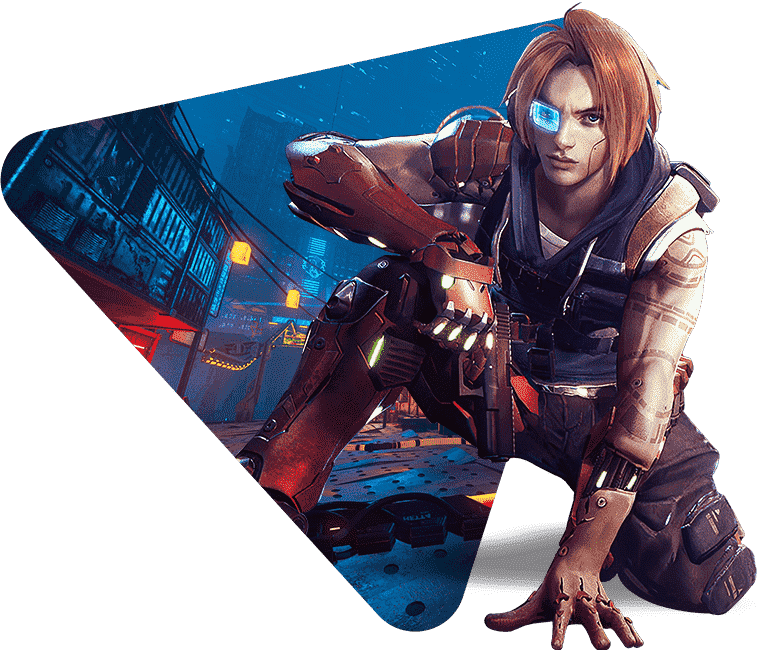
Reward-driven games where players earn tokens or digital assets through gameplay, creating long-term engagement and real value.
Game
>
NFT-Based Games

NFT-Based Games

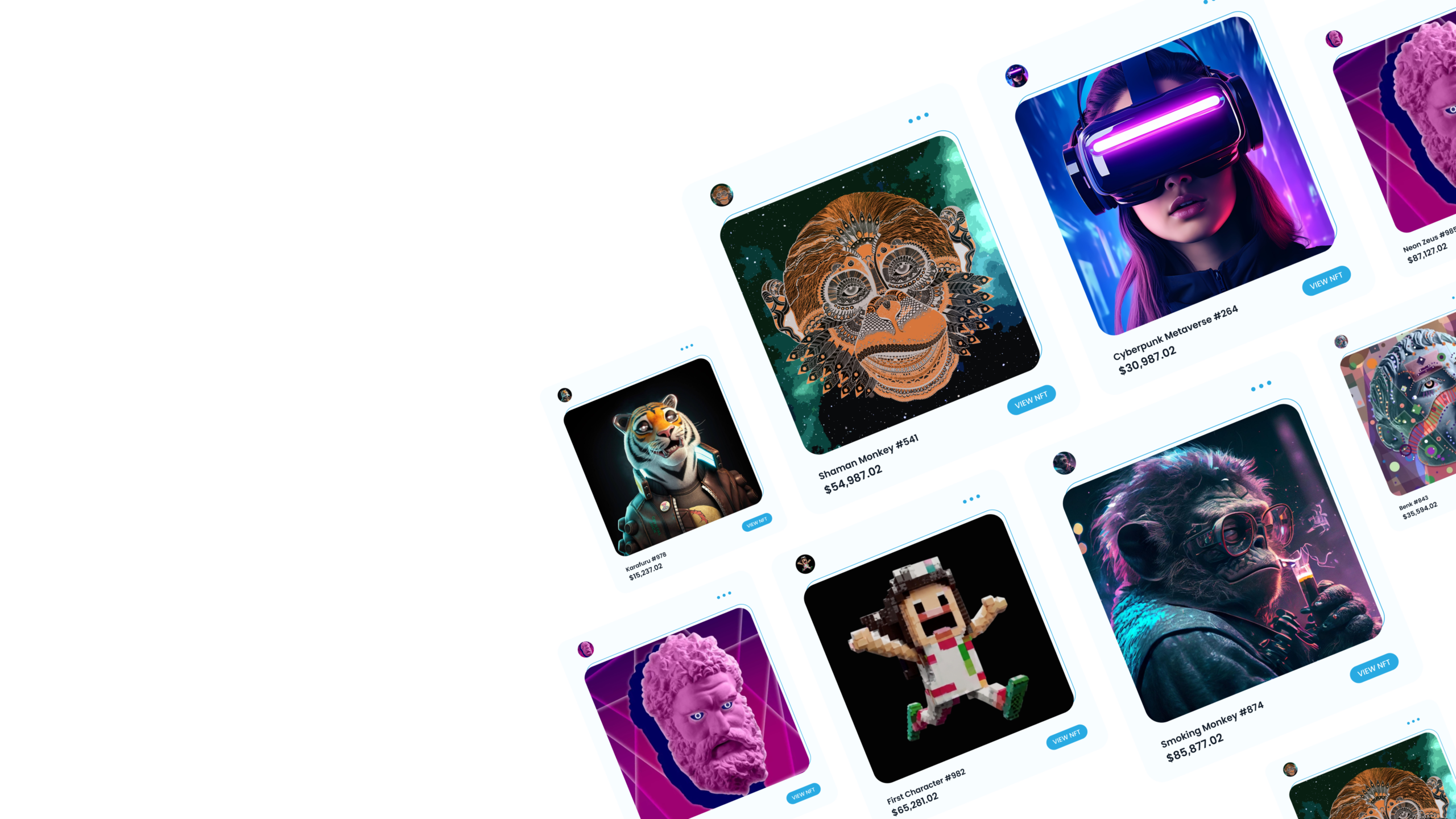
Games powered by NFTs that allow players to own, trade, and monetize in-game assets like characters, skins, and collectibles.

Metaverse
Metaverse Games

Metaverse Games

Immersive virtual worlds where users can interact, socialize, and participate in decentralized economies.

NFT
Strategy & RPG Games

Strategy & RPG Games

Feature-rich games with advanced mechanics, progression systems, and blockchain-based asset ownership.

Crypto
Fantasy Sports Platforms

Fantasy Sports Platforms

Blockchain-powered fantasy games with transparent scoring, token rewards, and secure user participation.
Smart Contract

Investing To Develop

Why Businesses Are Investing To Develop Blockchain Games in 2026?

Recent reports show that blockchain, blockchain-based games account for over 30–40% of total Web3 activity, with millions of active wallets interacting with gaming dApps each month. The global blockchain gaming market is projected to cross $60–70 billion in the next few years, driven by NFT adoption and token-based economies.
For businesses, this shift is not just about trends-it’s about new revenue structures and user retention. Studies indicate that players in blockchain-based games tend to have higher engagement rates due to asset ownership and reward systems.

Technology

Technologies Stack for Blockchain Gaming Development

As a blockchain game development company, we build Web3 gaming platforms using a reliable and tested technology stack. Our goal is to create platforms that are stable, easy to manage, and ready to support real user growth over time.

Ethereum

Ethereum

Ethereum

Polygon

Polygon

Polygon

BNB

BNB Chain

BNB Chain

Solana

Solana

Solana

Avalanche

Avalanche

Avalanche

node

Node.js

Node.js

Python

Python

Python

Golang

Golang

Golang

Rust

Rust

Rust

React

React

React

Angular

Angular

Angular

Vue

Vue.js

Vue.js

post

PostgreSQL

PostgreSQL

MONGO

MongoDB

MongoDB

Docker

DOCKER

Docker

Kubernets

Kubernets

Kubernets

AWS

AWS

AWS

Rust

Rust

Rust

React

React

React

Angular

Angular

Angular

Vue

Vue.js

Vue.js

post

PostgreSQL

PostgreSQL

MONGO

MongoDB

MongoDB

Docker

DOCKER

Docker

Kubernets

Kubernets

Kubernets

AWS

AWS

AWS

Why Kodegrid

Why KodeGrid is The Right Blockchain Game Development Company For Your Success?

Choosing the right blockchain game development agency can define your success in the Web3 space. At KodeGrid, we go beyond development to build scalable, engaging, and revenue-driven gaming ecosystems powered by blockchain technology.

Experienced Blockchain Game Developers

We implement secure smart contracts, conduct basic audits, and follow standard practices to reduce risks like exploits, reentrancy attacks, and unauthorized access.

Custom Game Development Solutions

We build games based on your gameplay logic, target audience, and monetization model. This includes game mechanics design, backend development, and integration with Web3 elements where required.

Security-First Development Approach

We implement secure smart contracts, conduct basic audits, and follow standard practices to reduce risks like exploits, reentrancy attacks, and unauthorized access.

24/7

Advanced Web3 Technology Integration

We integrate features like NFTs, crypto wallets, smart contracts, and marketplace functionality, ensuring smooth interaction between users and blockchain networks.

Got a Project in Mind?

Let’s build secure, intuitive crypto experiences that power the future of digital finance.

Dimpal Kumar

Co-Founder

Testimonials

Trusted by Startups, Loved by Founders

These are the stories from real clients we’ve worked with - people who came with a vision and left with a finished product they’re proud of.

Responsive Moving Testimonials

Faq

Frequently Asked Questions About NFT Development

What is blockchain game development?

Blockchain game development is the process of building games where in-game assets, transactions, and ownership are managed on blockchain networks using smart contracts, tokens, and NFTs.

How much does it cost to develop a blockchain game?

Blockchain game development typically costs between $10,000 and $200,000+, depending on game complexity, features, blockchain used, NFT integration, and development time.

How do blockchain games make money?

Blockchain games generate revenue through NFT sales, in-game tokens, transaction fees, marketplace commissions, and premium upgrades within the game ecosystem.

Which blockchain is best for game development?

Popular blockchains for game development include Ethereum, Polygon, Solana, and BNB Chain, chosen based on scalability, transaction cost, speed, and ecosystem support.

How long does blockchain game development take?

Blockchain game development usually takes 1 to 6 months, depending on the game type, features, integrations, and overall project complexity.